Ayurveda for a Healthier Tomorrow
On the 11th Ayurveda Day, India’s ambassador to Cambodia reflects on how this ancient system offers timeless insights for building healthier, more balanced lives in the modern world.
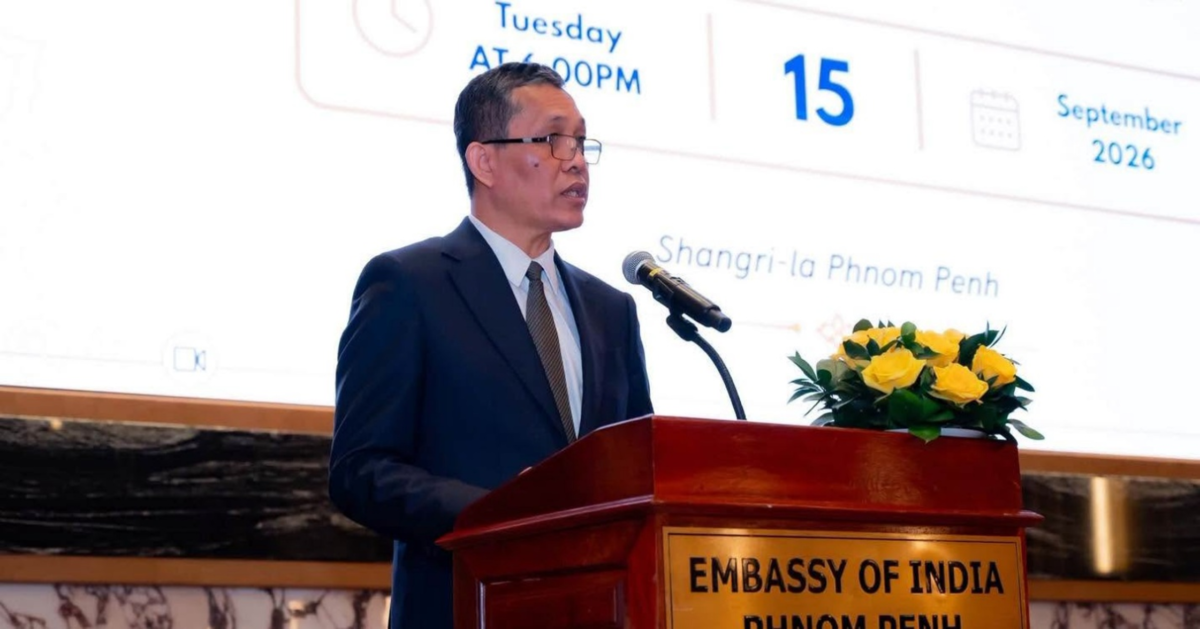
The 11th Ayurveda Day, with the theme Ayurveda for a Healthier Tomorrow, was observed on September 23. This year’s focus highlights the enduring value of Ayurveda—a centuries-old Indian system of wellness—as a guide for building healthier lives and more sustainable communities in today’s world.
Ancient Wisdom, Modern Relevance
Ayurveda is a comprehensive system of health rooted in India’s oldest knowledge traditions. Rather than focusing solely on treating illness, it emphasizes preventing disease through balance among the body, mind, lifestyle, and environment. Principles like mindful eating, consistent daily routines, physical activity, and natural living have become increasingly resonate globally as people seek holistic approaches to well-being.
Today, Ayurveda thrives not only through traditional practice, but also through rigorous scientific research, standardization, quality control, and innovation. This synthesis ensures that age-old insights remain aligned with the demands of contemporary healthcare.
Institutional Support in India
To strengthen the development and global outreach of Ayurveda and other traditional Indian healing systems, India established the Ministry of AYUSH in 2014. Over the past decade, this ministry has expanded access to education, research, clinical care, infrastructure, and international collaboration in Ayurveda and related disciplines.
Key initiatives include the National AYUSH Mission, which supports integrated healthcare delivery; AYURSWASTHYA, a program promoting preventive wellness; and the AOGUSY scheme, aimed at improving the quality and production of AYUSH medicines.
India is also investing in the conservation and sustainable cultivation of medicinal plants—vital raw materials for traditional formulations—ensuring that ecological responsibility remains central to its healthcare vision.
Cambodia and the Ayurvedic Connection
Celebrating Ayurveda Day in Cambodia carries special significance, given the long-standing cultural, spiritual, and intellectual ties between India and Cambodia. The architectural legacy of Angkor is just one powerful reminder of shared historical influences in religion, art, and philosophy.
There is growing potential to deepen cooperation in areas like traditional medicine, wellness tourism, medicinal plant cultivation, and academic exchange. In recent years, Ayurvedic products and practices have begun appearing in Cambodian urban centers, particularly in Phnom Penh and Siem Reap—indicating rising local interest.
The Indian government has supported this growth through academic partnerships, joint research, expert exchanges, and training programs. Collaborative efforts between Indian and Cambodian institutions could open new pathways to preventive health and community wellness.
Toward a Balanced Future
Ultimately, the message behind this year’s theme is clear: lasting health depends not just on medical interventions, but on daily habits that foster balance and harmony—with ourselves, our communities, and nature. As Ayurveda continues to inspire global conversations around wellness, it reminds us that the future of health lies in integrating timeless wisdom with modern understanding.