Cambodia's Information Minister Emphasizes Evidence Over Rhetoric in Border Dispute with Thailand
Cambodia's Information Minister argues that the Cambodia–Thailand border dispute must be resolved through evidence and international law, not rhetoric and military positioning.
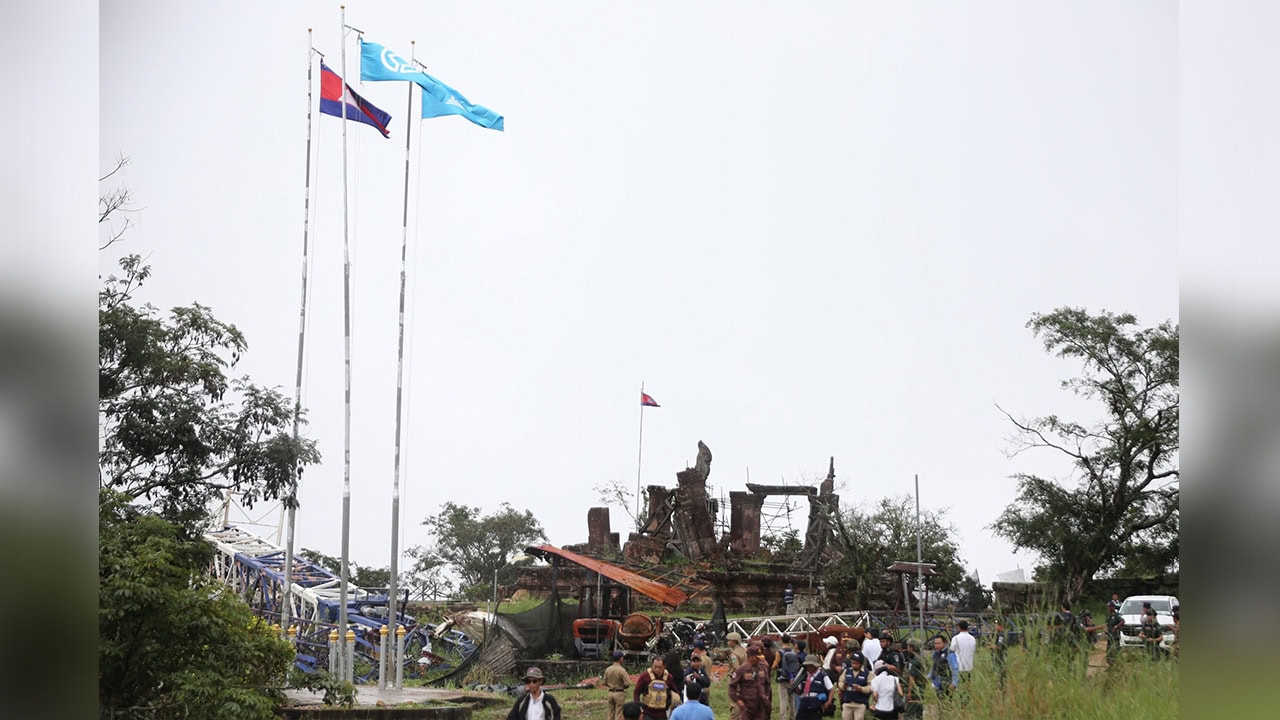
Cambodia's Information Minister Neth Pheaktra has underscored the importance of evaluating competing claims about the Cambodia–Thailand border conflict through the lens of factual evidence and international legal standards, rather than through public narrative or military positioning.
Drawing on wisdom from the late Deputy Prime Minister Sok An, a seasoned diplomat who devoted considerable effort to border negotiations, Pheaktra recalled a memorable observation about how skillful communication can distort reality. Sok An noted that Thai representatives possessed the rhetorical ability to present falsehoods compellingly, comparing their capacity to make trivial matters appear grave and serious concerns appear negligible.
Pheaktra characterized this as a cautionary lesson about communication strategy and perception management, not as a blanket criticism of Thai officials. He warned that deliberate misrepresentation of events could obscure the actual situation on the ground.
The minister contended that Thai military forces have occupied sections of Cambodian soil, installed physical barriers using razor wire and shipping containers, and deliberately altered ground conditions to create a fait accompli. Cambodia has filed multiple formal objections through diplomatic channels and maintains comprehensive documentation supporting its territorial claims.
Thailand has rejected these allegations, asserting that its continued military presence aligns with post-ceasefire agreements and constitutes legitimate force positioning rather than occupation. Bangkok has also accused Cambodia of deploying newly laid antipersonnel mines along the frontier, a charge Cambodia denies.
Pheaktra rebutted Thai claims that focus on mine-related injuries to Thai personnel, suggesting such emphasis serves to shift attention from documented evidence of damage caused by Thai aerial bombardment, including MK-82 and MK-84 ordnance, and from Cambodia's occupation allegations.
Referencing Sok An's previous work on the disputed Preah Vihear Temple area, Pheaktra stressed that resolving such territorial disagreements requires reliance on historical documentation, verifiable facts, established international law, and peaceful dispute resolution mechanisms. He called on the public to differentiate between unsubstantiated claims and concrete evidence.
"Language shapes perception, yet it cannot rewrite reality," Pheaktra concluded. "Evidence must establish truth, and law—not propaganda or military force—must establish borders."