Cambodian minister warns foreign SIM cards are fueling cross-border scam networks
Cambodia's telecom minister warns that scam syndicates are using foreign SIM cards and roaming services to target victims in their own countries, and urges stronger international cooperation to fight cross-border fraud.
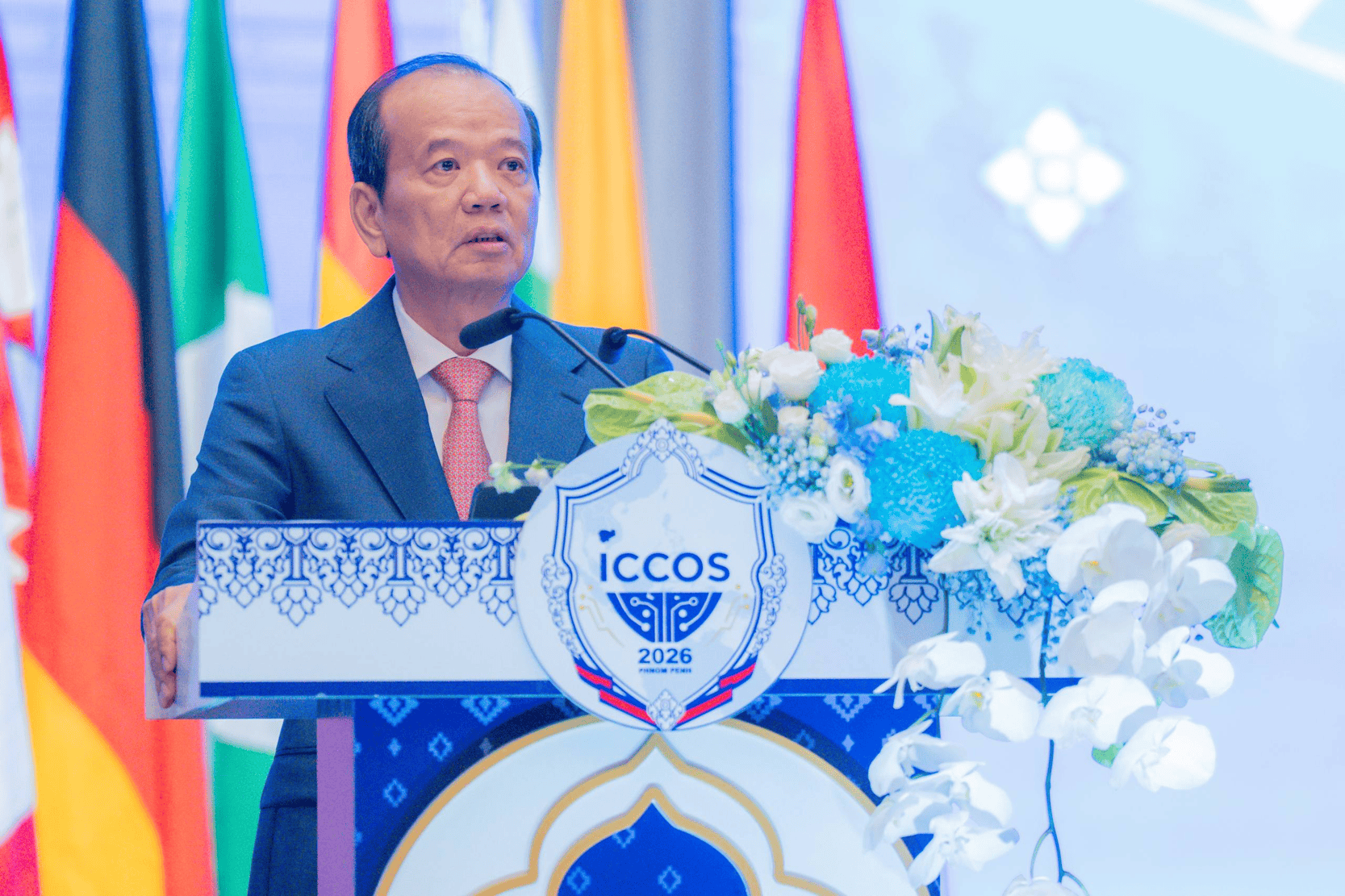
A senior Cambodian official has warned that online fraud syndicates are building their operations around foreign SIM cards and international telecom networks, urging countries to work together more closely to stop cross-border criminal activity.
Chea Vandeth, Minister of Posts and Telecommunications, made the remarks on September 23 at the International Conference on Combating Online Scams (ICCOS-2026) in Phnom Penh. He said Cambodia's own experiences show that scammers frequently use phone numbers from the home countries of their targets, making fraudulent calls and messages appear as though they come from a trusted local source.
"Criminals use phone numbers from the countries of the people they want to scam," Vandeth warned.
According to the minister, perpetrators based in Cambodia can obtain SIM cards from abroad and then rely on international roaming services. Because the number matches a victim's home country, the caller can more easily project an air of legitimacy.
Cambodian authorities have uncovered large shipments of foreign SIM cards brought into the Kingdom for use in fraud operations. Vandeth noted that during a single raid, investigators found more than 50,000 SIM cards from several countries inside one small scam compound.
Call for stricter SIM regulations
He urged governments everywhere to tighten SIM-card registration and identity checks before any card is issued.
"No telco anywhere in the world should be allowed to sell anonymous SIM cards," he said.
Vandeth outlined several steps Cambodia has already taken to stop its telecoms infrastructure from being abused by criminal networks. Since 2022, the Telecommunication Regulator of Cambodia (TRC) has taken enforcement action against more than 330 illegal base stations, including facilities used to provide unauthorized telecom services that support online scams.
The country has also stepped up efforts to dismantle the digital infrastructure scammers rely on. A dedicated monitoring team has helped block more than 53,000 illegal websites, while coordination with major platforms such as Meta, Telegram and Binance has led to the removal of more than 5,300 accounts, pages and groups tied to scam recruitment, bogus job offers and online fraud.
Vandeth stressed that domestic measures alone cannot resolve the problem, since criminal networks operate across borders.
"Cambodia cannot solve this problem on our own," he said, calling on governments, regulators, law enforcement agencies, financial institutions, telecom companies and digital platforms to share intelligence, strengthen identity verification and close the regulatory gaps that criminal networks exploit.
"Only coordinated international action can close this gap," Vandeth added.